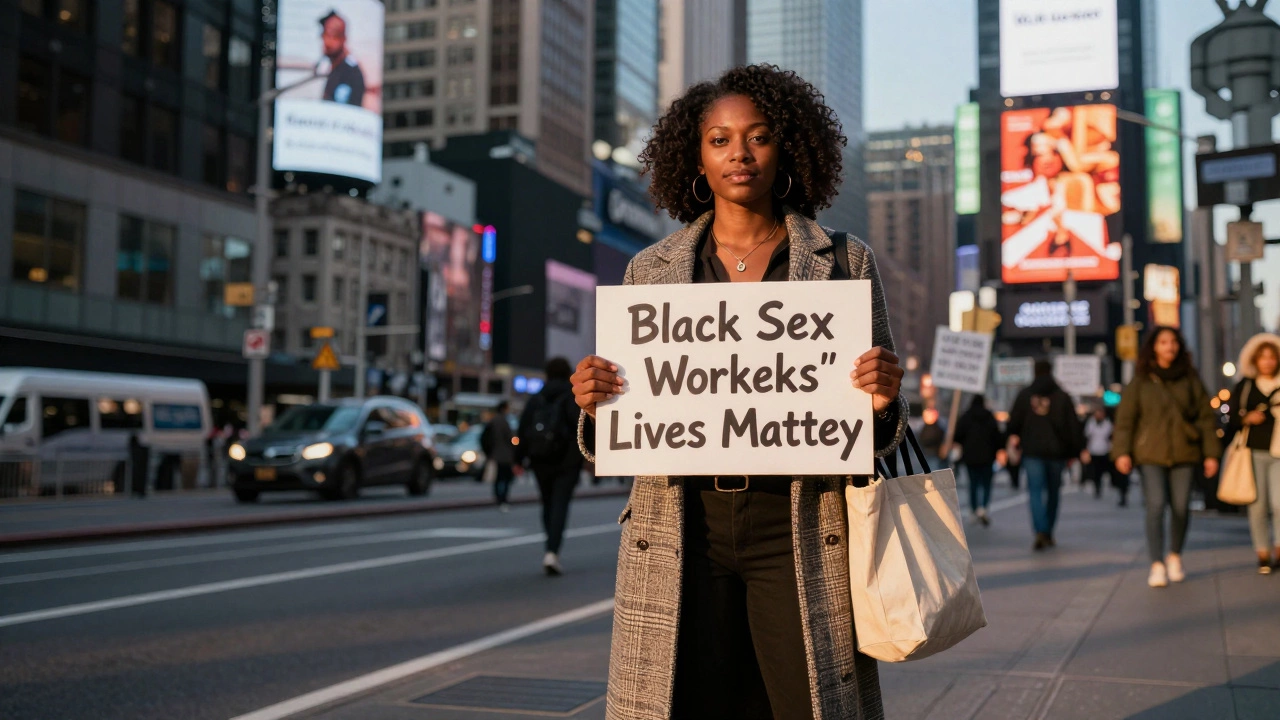
Black sex workers are not statistics. They are mothers, artists, survivors, and community leaders-people who survive under layers of stigma, violence, and legal neglect. In cities from Lagos to London, from Atlanta to Auckland, Black sex workers face a unique kind of danger: one that comes not just from clients or cops, but from systems designed to erase them. The phrase Black Sex Workers' Lives Matter isn’t a slogan-it’s a demand for visibility, safety, and dignity. And yet, even in movements that claim to fight for justice, their voices are often sidelined.
Some people turn to platforms like lovehub dubai to find companionship or services, often without realizing the human cost behind those transactions. In places like Dubai, where escort services operate in legal gray zones, the demand for couple escort dubai or arabic escort dubai hides a deeper reality: the global sex trade thrives on the invisibility of those who supply it. And when those suppliers are Black women, trans, and nonbinary people, the risks multiply.
They’re Not ‘Prostitution Statistics’
Every year, organizations like the Global Network of Sex Work Projects report that Black sex workers are up to six times more likely to experience violence than their white counterparts. This isn’t random. It’s structural. Police in many countries target Black sex workers first. Courts give them longer sentences. Hospitals refuse them care. Landlords evict them for working. Media paints them as criminals or victims-never as people with agency.
Take the case of Nia Wilson, a 21-year-old Black woman in Oakland who was killed while walking home after work. Her death made headlines-but not because she was a sex worker. It was because she was Black. The connection between her identity and her work was erased by reporters, activists, even her own family. That erasure is the norm.
Why Decriminalization Isn’t Just Legal-it’s Life-Saving
Decriminalizing sex work isn’t about making it more acceptable. It’s about making it safer. When sex work is illegal, workers can’t report abuse without fear of arrest. They can’t get bank accounts. They can’t rent apartments. They can’t access healthcare without being judged. In New Zealand, where sex work was fully decriminalized in 2003, rates of violence against sex workers dropped by 40% within five years. No other policy came close.
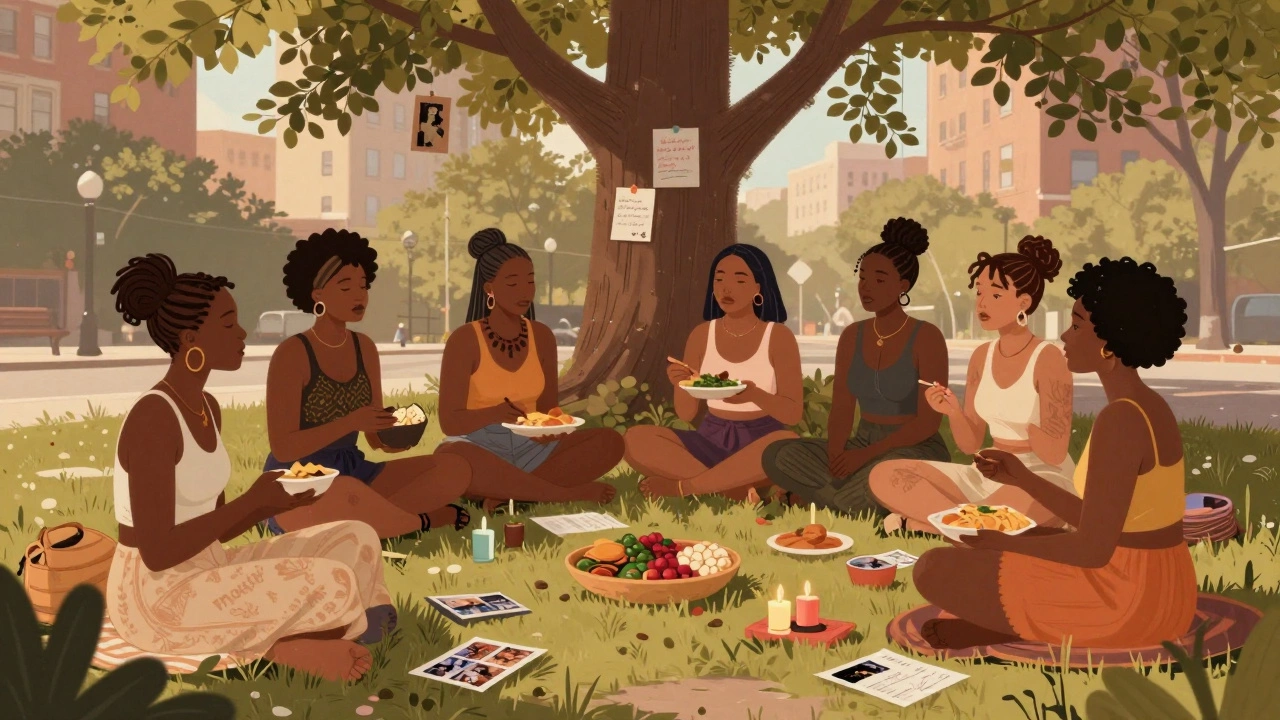
But decriminalization doesn’t happen in a vacuum. Black sex workers need more than laws-they need community support, housing programs, mental health services that don’t pathologize their work, and economic alternatives that don’t demand they erase their past. In Toronto, the organization Black Sex Workers Collective runs a mutual aid fund that helps workers pay rent after police raids. In Cape Town, a group of trans sex workers started a safe house after three of their friends were murdered in one year.
The Myth of ‘Rescue’
Too often, well-meaning outsiders try to ‘save’ sex workers by pushing them into jobs they don’t want. Nonprofits spend millions on ‘exit programs’ that assume every sex worker wants to leave-and that they can’t survive without charity. But what if someone chooses this work because it pays better than cleaning offices or caring for children in someone else’s home? What if they’re using it to fund their education, support their siblings, or pay for gender-affirming care?
Real support doesn’t come from forcing people into factory jobs or retail roles that pay $12 an hour. It comes from listening. From trusting their choices. From funding worker-led organizations instead of top-down NGOs. When Black sex workers are given control over their own narratives, they build solutions no outsider ever could.
Racism in the Digital Economy
Online platforms have changed how sex work happens. Apps like OnlyFans, Instagram, and private booking sites let workers screen clients, set boundaries, and earn more. But algorithmic bias works against them. Black sex workers are banned more often. Their posts get shadowbanned. Their profiles get flagged as ‘inappropriate’ even when they’re fully clothed. White workers with similar content get monetized. Black workers get demonetized.
And then there’s the cultural fetishization. The stereotype of the ‘exotic Black woman’ fuels demand-but also danger. Clients come looking for stereotypes, not people. They assume Black sex workers are more aggressive, more submissive, more ‘wild.’ These assumptions lead to abuse. And when Black workers speak up, they’re told they’re being ‘too sensitive’ or ‘making it about race.’
How to Actually Help
Don’t donate to charities that don’t include sex workers in leadership. Don’t sign petitions that don’t name Black sex workers as the priority. Don’t post about ‘ending trafficking’ without acknowledging that most trafficking victims aren’t sex workers-and most sex workers aren’t trafficked.
Here’s what works:
- Support organizations run by and for Black sex workers-like the Black Sex Workers Collective or SWOP Behind Bars
- Amplify their voices on social media-not just during Black History Month, but every day
- Advocate for housing, healthcare, and legal aid that includes sex workers without conditions
- Challenge friends and family who joke about ‘hookers’ or say ‘they chose this life’
- Vote for politicians who support decriminalization, not ‘end-demand’ laws that punish clients and workers alike
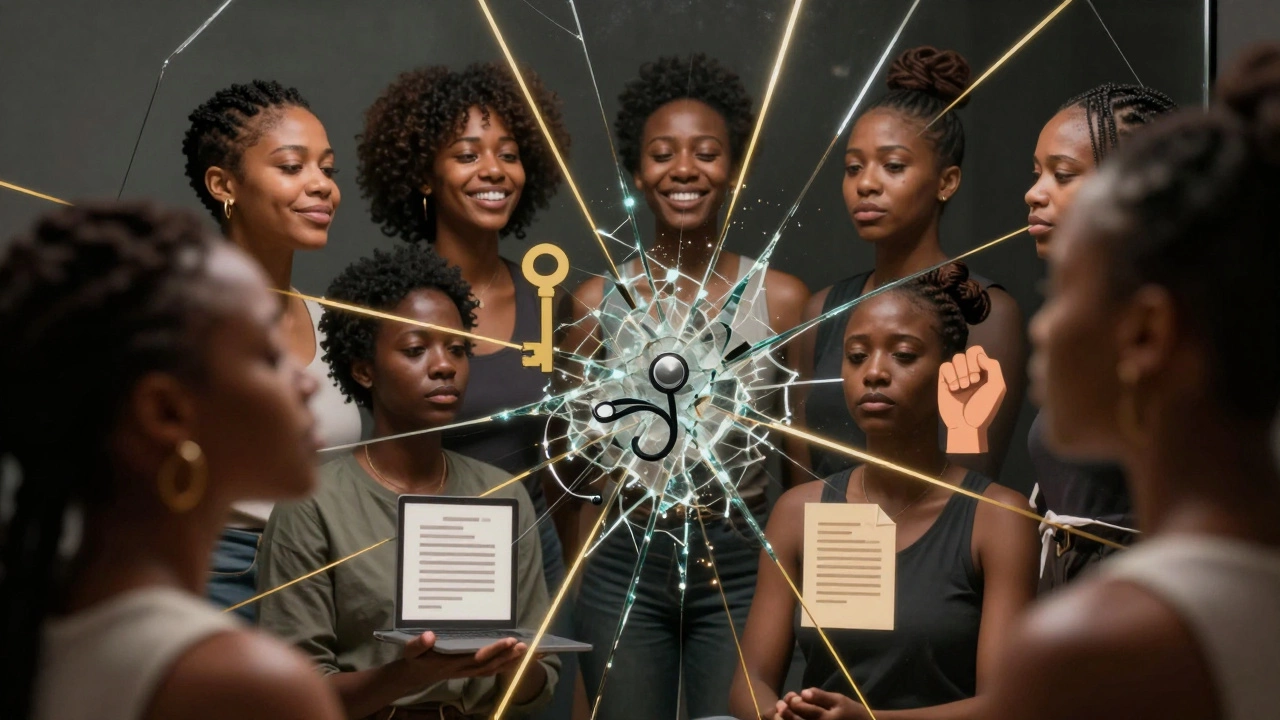
Real change doesn’t come from sympathy. It comes from solidarity.
They’re Still Here
Black sex workers are not disappearing. They’re organizing. They’re writing. They’re teaching. They’re surviving. In Brazil, a group of Black trans sex workers launched a podcast called Corpo e Liberdade-Body and Freedom. In the U.S., Black sex workers led the push to remove prostitution charges from background checks in several states. In Australia, a collective in Perth started a legal aid hotline for migrant sex workers.
They don’t need your pity. They need your action. They need you to stop treating their lives as collateral damage in someone else’s moral crusade. Their lives matter-not because they’re victims, not because they’re heroes, but because they’re human.
And if you’re reading this, you’re already part of the system that silences them. The question isn’t whether you believe their lives matter. It’s what you’re going to do about it.